On
this date in design…
Earth, first seen
from outer space 24 October 1946
Pablo Picasso,
Spanish painter & artist, co-founder of Cubist movement, birthday 25
October 1881
Interborough Rapid
Transit, New York City, first subway system, opens 27 October 1904
 When Felix Baumgartner stepped out of his balloon hoisted
capsule and plummeted to back to terra firma last week, the image of the
curvature of the Earth was relegated to a backdrop. However, less than 70 years ago that image
had never been seen by man until a V-2 rocket launched from White Sands, New
Mexico brought back a few grainy black & white photos.
When Felix Baumgartner stepped out of his balloon hoisted
capsule and plummeted to back to terra firma last week, the image of the
curvature of the Earth was relegated to a backdrop. However, less than 70 years ago that image
had never been seen by man until a V-2 rocket launched from White Sands, New
Mexico brought back a few grainy black & white photos.
 The knowledge that the Earth is in fact round
is something that we as a species may take for granted today. In Columbus’ time, it was not so certain and
something for which he was willing to risk his life. Baumgartner didn’t come close to the height
of the V-2 rocket but it was high enough not only to appreciate how tiny our
planet is but to also break the sound barrier on the way down. This may all seem a frivolous exercise of a
thrill seeker and a pop-drink's marketing department but innovations in
the suit’s design will benefit future space exploration as man creeps farther
and farther away from our tiny blue marble and into the vast expanses of
space.
The knowledge that the Earth is in fact round
is something that we as a species may take for granted today. In Columbus’ time, it was not so certain and
something for which he was willing to risk his life. Baumgartner didn’t come close to the height
of the V-2 rocket but it was high enough not only to appreciate how tiny our
planet is but to also break the sound barrier on the way down. This may all seem a frivolous exercise of a
thrill seeker and a pop-drink's marketing department but innovations in
the suit’s design will benefit future space exploration as man creeps farther
and farther away from our tiny blue marble and into the vast expanses of
space.
 “Art is a lie that makes us realize the truth,” Pablo
Picasso once said and no truer words regarding art could have been stated. Along with Georges Braque, he founded the
Cubist movement introduced to the world with “Les Demoiselles d’Avignon” (1907)
where the female nudes were abstracted and morphed with seemingly grotesque
tribal images. It could be argued this
painting epitomized Picasso’s chauvinistic attitude toward woman as either
“goddesses or doormats”.
“Art is a lie that makes us realize the truth,” Pablo
Picasso once said and no truer words regarding art could have been stated. Along with Georges Braque, he founded the
Cubist movement introduced to the world with “Les Demoiselles d’Avignon” (1907)
where the female nudes were abstracted and morphed with seemingly grotesque
tribal images. It could be argued this
painting epitomized Picasso’s chauvinistic attitude toward woman as either
“goddesses or doormats”.

 He was a
notorious womanizer but as an artist, no painter before him had such a massive
audience nor was as famous in his own lifetime.
He used this influence to bring the world’s attention to the Spanish
Civil War with the masterpiece “Guernica” (1937) after the German’s callous
bombing of that town. No longer was war
commemorated in glorious battle scenes.
Picasso’s stark black-white-gray image was reminiscent of a newspaper
photo and the collateral damage inflicted on the civilian population was made
aware to the public as the enormous mural-sized piece was toured
world-wide. It was perhaps the world’s
first sociopolitical artistic statement and one that worked.
He was a
notorious womanizer but as an artist, no painter before him had such a massive
audience nor was as famous in his own lifetime.
He used this influence to bring the world’s attention to the Spanish
Civil War with the masterpiece “Guernica” (1937) after the German’s callous
bombing of that town. No longer was war
commemorated in glorious battle scenes.
Picasso’s stark black-white-gray image was reminiscent of a newspaper
photo and the collateral damage inflicted on the civilian population was made
aware to the public as the enormous mural-sized piece was toured
world-wide. It was perhaps the world’s
first sociopolitical artistic statement and one that worked.
 The thought of riding in a train in a tunnel underground
once was relegated to the fantastic ideas of Jules Verne. However, in the early years of the 20th
century, the Interborough Rapid Transit Company sought to alleviate
above-ground traffic by expanding their existing elevated train network with
the world’s first subway system. The
firm operated as a privately held entity until 1940 when it was acquired by the
City of New York. To assist passengers
orient themselves in a dark underground world, no two stations were designed
the same. This provided an opportunity
to expand the metropolitan landscape and offered designers new inspiration.
The thought of riding in a train in a tunnel underground
once was relegated to the fantastic ideas of Jules Verne. However, in the early years of the 20th
century, the Interborough Rapid Transit Company sought to alleviate
above-ground traffic by expanding their existing elevated train network with
the world’s first subway system. The
firm operated as a privately held entity until 1940 when it was acquired by the
City of New York. To assist passengers
orient themselves in a dark underground world, no two stations were designed
the same. This provided an opportunity
to expand the metropolitan landscape and offered designers new inspiration.
 Today, no major city in the world is without
an effective subterranean rail service alleviating congestion and hastening not
only travel time but also the pace of commerce as well.
Today, no major city in the world is without
an effective subterranean rail service alleviating congestion and hastening not
only travel time but also the pace of commerce as well.
Links:
Article from "Air & Space" about the V-2 #13 launch
Redbull's site dedicated to Baumgartner's jump
Reenactment of Baumgartner's jump with Legos
The Picasso Administration
Resource for Picasso art
Pablo Picasso website
"Les Demoiselles d'Avignon" at MoMA, New York City
"Guernica" at the Museu Nacional Centro de Reina Sofia, Madrid, Spain
The Metropolitan Transportation Authority, New York City
The New York Subway Organization
Slideshow of vintage NYC subway images from Life Magazine
Richard Rogers, British
architect, birthday 23 July 1933
Vincent van Gogh,
Dutch post-impressionist painter, death 29 July 1890
Robert Moses, American
urban planner, death 29 July 1981
 Although Richard Rogers is most known for his
winning collaboration with Renzo Piano and Gianfranco Franchini for
the controversial and ground-breaking Centre Georges Pompidou in Paris, his career
is far more expansive and netted him not only awards and recognition within his
own country but also on the world stage with a Pritzker Prize in 2007. At first glance one may look at the Pompidou
Center and believe it is under construction or in a constant state of repair
with the scaffold-like grid encasing the public library and modern art museum
inside. However, this experiment with what would
Although Richard Rogers is most known for his
winning collaboration with Renzo Piano and Gianfranco Franchini for
the controversial and ground-breaking Centre Georges Pompidou in Paris, his career
is far more expansive and netted him not only awards and recognition within his
own country but also on the world stage with a Pritzker Prize in 2007. At first glance one may look at the Pompidou
Center and believe it is under construction or in a constant state of repair
with the scaffold-like grid encasing the public library and modern art museum
inside. However, this experiment with what would
 become “high-tech architecture” merely puts on display all the mechanical, plumbing and support systems which make the building function. Even today, designers still seek to bury the guts of a building within the walls which in effect make it more difficult to detect and access problems. Rogers wanted these pieces to be exposed as a primer of how a building functions. His intricate understanding of urbanism and
more importantly the causes of its decline was recognized by the British
government which appointed him several essential positions within planning and
development organizations. Rogers was
also the mastermind behind London’s Millennium Dome and Lloyd’s building and
continues to innovate and illuminate in the built form and in writing.
become “high-tech architecture” merely puts on display all the mechanical, plumbing and support systems which make the building function. Even today, designers still seek to bury the guts of a building within the walls which in effect make it more difficult to detect and access problems. Rogers wanted these pieces to be exposed as a primer of how a building functions. His intricate understanding of urbanism and
more importantly the causes of its decline was recognized by the British
government which appointed him several essential positions within planning and
development organizations. Rogers was
also the mastermind behind London’s Millennium Dome and Lloyd’s building and
continues to innovate and illuminate in the built form and in writing.
 The starving, misunderstood, tortured artist; this is what
most people believe about Vincent van Gogh and for the most part it is
correct. Since his passing psychiatrists
have hotly debated from what of over 30 possible diagnoses he actually
suffered. Most likely it was a
combination of multiple issues exacerbated by malnutrition, insomnia and
alcohol. The result of these problems is
most infamously the “ear” episode. In
reality, van Gogh didn’t actually cut off his entire ear (images of Reservoir Dogs dancing in my head); it
was only (and I say this with a bit of ironic sarcasm) a portion
in a manic fit after an argument with Gauguin, whom his doting brother sent to
look after him. Even the manner of his
death has been recently debated (and this new theory has yet to be accepted by the van Gogh estate) as the
iconography of the van Gogh enigma is both revered and pitied. The offical story remains: after van Gogh shot himself in the chest in a field, stumbled home and died two days later after somewhat lack-luster medical care came the majority of his fame posthumously. Colleagues and collectors
The starving, misunderstood, tortured artist; this is what
most people believe about Vincent van Gogh and for the most part it is
correct. Since his passing psychiatrists
have hotly debated from what of over 30 possible diagnoses he actually
suffered. Most likely it was a
combination of multiple issues exacerbated by malnutrition, insomnia and
alcohol. The result of these problems is
most infamously the “ear” episode. In
reality, van Gogh didn’t actually cut off his entire ear (images of Reservoir Dogs dancing in my head); it
was only (and I say this with a bit of ironic sarcasm) a portion
in a manic fit after an argument with Gauguin, whom his doting brother sent to
look after him. Even the manner of his
death has been recently debated (and this new theory has yet to be accepted by the van Gogh estate) as the
iconography of the van Gogh enigma is both revered and pitied. The offical story remains: after van Gogh shot himself in the chest in a field, stumbled home and died two days later after somewhat lack-luster medical care came the majority of his fame posthumously. Colleagues and collectors
 began to hold
multiple memorial exhibitions of the thousands of paintings he completed in his
short career of about ten years. And
yes, only one painting sold during his lifetime but currently his work is among
the most expensive ever sold. Whatever
one believes about van Gogh, either romantic genius or mentally ill psychotic or both, the work
speaks for itself. It is vibrant, emotional
and moving; the true nature and purpose of art.
began to hold
multiple memorial exhibitions of the thousands of paintings he completed in his
short career of about ten years. And
yes, only one painting sold during his lifetime but currently his work is among
the most expensive ever sold. Whatever
one believes about van Gogh, either romantic genius or mentally ill psychotic or both, the work
speaks for itself. It is vibrant, emotional
and moving; the true nature and purpose of art.
 “Those who can, build.
Those who can’t, criticize.” was what Robert Moses once said in response
to those who questioned his vision. And
build is just what he did, forever sculpting the landscape of not only New York
City but the art of urban planning. Often
vilified for his heavy-handed ambitious building and highway projects, his unintentional
legacy was to make people stand up, take notice of their surroundings and ultimately
care about the urban fabric in which they live.
Most notably, Moses’ plan for the Vieux Carré Riverfront Expressway in
New Orleans lead the citizenry to fight for the designation of the French
Quarter as a historic district halting the project. Imagine NOLA without those 14 by 7 blocks of
history if Moses had his way. Like most
New Yorkers, he never held a driver’s license but the driving force behind much
of what he was able to build was to accommodate the automobile which also
fostered the growth of suburban sprawl.
As chairman of the Triborough Bridge and Tunnel Authority he had massive
amounts of funding for his projects which he could spend freely without
oversight. Among his mishaps include a development scheme which allowed Penn Station to be destroyed; he fought against the Shakespeare in the Park as a free festival; essentially ran the Dodgers out of New York
“Those who can, build.
Those who can’t, criticize.” was what Robert Moses once said in response
to those who questioned his vision. And
build is just what he did, forever sculpting the landscape of not only New York
City but the art of urban planning. Often
vilified for his heavy-handed ambitious building and highway projects, his unintentional
legacy was to make people stand up, take notice of their surroundings and ultimately
care about the urban fabric in which they live.
Most notably, Moses’ plan for the Vieux Carré Riverfront Expressway in
New Orleans lead the citizenry to fight for the designation of the French
Quarter as a historic district halting the project. Imagine NOLA without those 14 by 7 blocks of
history if Moses had his way. Like most
New Yorkers, he never held a driver’s license but the driving force behind much
of what he was able to build was to accommodate the automobile which also
fostered the growth of suburban sprawl.
As chairman of the Triborough Bridge and Tunnel Authority he had massive
amounts of funding for his projects which he could spend freely without
oversight. Among his mishaps include a development scheme which allowed Penn Station to be destroyed; he fought against the Shakespeare in the Park as a free festival; essentially ran the Dodgers out of New York
 and was responsible for the fiasco of the 1964 New York
World’s Fair. However, for all the bad
there is plenty of good. Moses not only
was instrumental to making New York more accessible by car but he built
multiple public pools during the Depression through the WPA, wooed the United
Nations away from Philadelphia and built tens of thousands of apartments within
the city (forget he destroyed almost as many as he constructed).
and was responsible for the fiasco of the 1964 New York
World’s Fair. However, for all the bad
there is plenty of good. Moses not only
was instrumental to making New York more accessible by car but he built
multiple public pools during the Depression through the WPA, wooed the United
Nations away from Philadelphia and built tens of thousands of apartments within
the city (forget he destroyed almost as many as he constructed).
 When Felix Baumgartner stepped out of his balloon hoisted
capsule and plummeted to back to terra firma last week, the image of the
curvature of the Earth was relegated to a backdrop. However, less than 70 years ago that image
had never been seen by man until a V-2 rocket launched from White Sands, New
Mexico brought back a few grainy black & white photos.
When Felix Baumgartner stepped out of his balloon hoisted
capsule and plummeted to back to terra firma last week, the image of the
curvature of the Earth was relegated to a backdrop. However, less than 70 years ago that image
had never been seen by man until a V-2 rocket launched from White Sands, New
Mexico brought back a few grainy black & white photos.  The knowledge that the Earth is in fact round
is something that we as a species may take for granted today. In Columbus’ time, it was not so certain and
something for which he was willing to risk his life. Baumgartner didn’t come close to the height
of the V-2 rocket but it was high enough not only to appreciate how tiny our
planet is but to also break the sound barrier on the way down. This may all seem a frivolous exercise of a
thrill seeker and a pop-drink's marketing department but innovations in
the suit’s design will benefit future space exploration as man creeps farther
and farther away from our tiny blue marble and into the vast expanses of
space.
The knowledge that the Earth is in fact round
is something that we as a species may take for granted today. In Columbus’ time, it was not so certain and
something for which he was willing to risk his life. Baumgartner didn’t come close to the height
of the V-2 rocket but it was high enough not only to appreciate how tiny our
planet is but to also break the sound barrier on the way down. This may all seem a frivolous exercise of a
thrill seeker and a pop-drink's marketing department but innovations in
the suit’s design will benefit future space exploration as man creeps farther
and farther away from our tiny blue marble and into the vast expanses of
space.  “Art is a lie that makes us realize the truth,” Pablo
Picasso once said and no truer words regarding art could have been stated. Along with Georges Braque, he founded the
Cubist movement introduced to the world with “Les Demoiselles d’Avignon” (1907)
where the female nudes were abstracted and morphed with seemingly grotesque
tribal images. It could be argued this
painting epitomized Picasso’s chauvinistic attitude toward woman as either
“goddesses or doormats”.
“Art is a lie that makes us realize the truth,” Pablo
Picasso once said and no truer words regarding art could have been stated. Along with Georges Braque, he founded the
Cubist movement introduced to the world with “Les Demoiselles d’Avignon” (1907)
where the female nudes were abstracted and morphed with seemingly grotesque
tribal images. It could be argued this
painting epitomized Picasso’s chauvinistic attitude toward woman as either
“goddesses or doormats”. 
 The thought of riding in a train in a tunnel underground
once was relegated to the fantastic ideas of Jules Verne. However, in the early years of the 20th
century, the Interborough Rapid Transit Company sought to alleviate
above-ground traffic by expanding their existing elevated train network with
the world’s first subway system. The
firm operated as a privately held entity until 1940 when it was acquired by the
City of New York. To assist passengers
orient themselves in a dark underground world, no two stations were designed
the same. This provided an opportunity
to expand the metropolitan landscape and offered designers new inspiration.
The thought of riding in a train in a tunnel underground
once was relegated to the fantastic ideas of Jules Verne. However, in the early years of the 20th
century, the Interborough Rapid Transit Company sought to alleviate
above-ground traffic by expanding their existing elevated train network with
the world’s first subway system. The
firm operated as a privately held entity until 1940 when it was acquired by the
City of New York. To assist passengers
orient themselves in a dark underground world, no two stations were designed
the same. This provided an opportunity
to expand the metropolitan landscape and offered designers new inspiration. 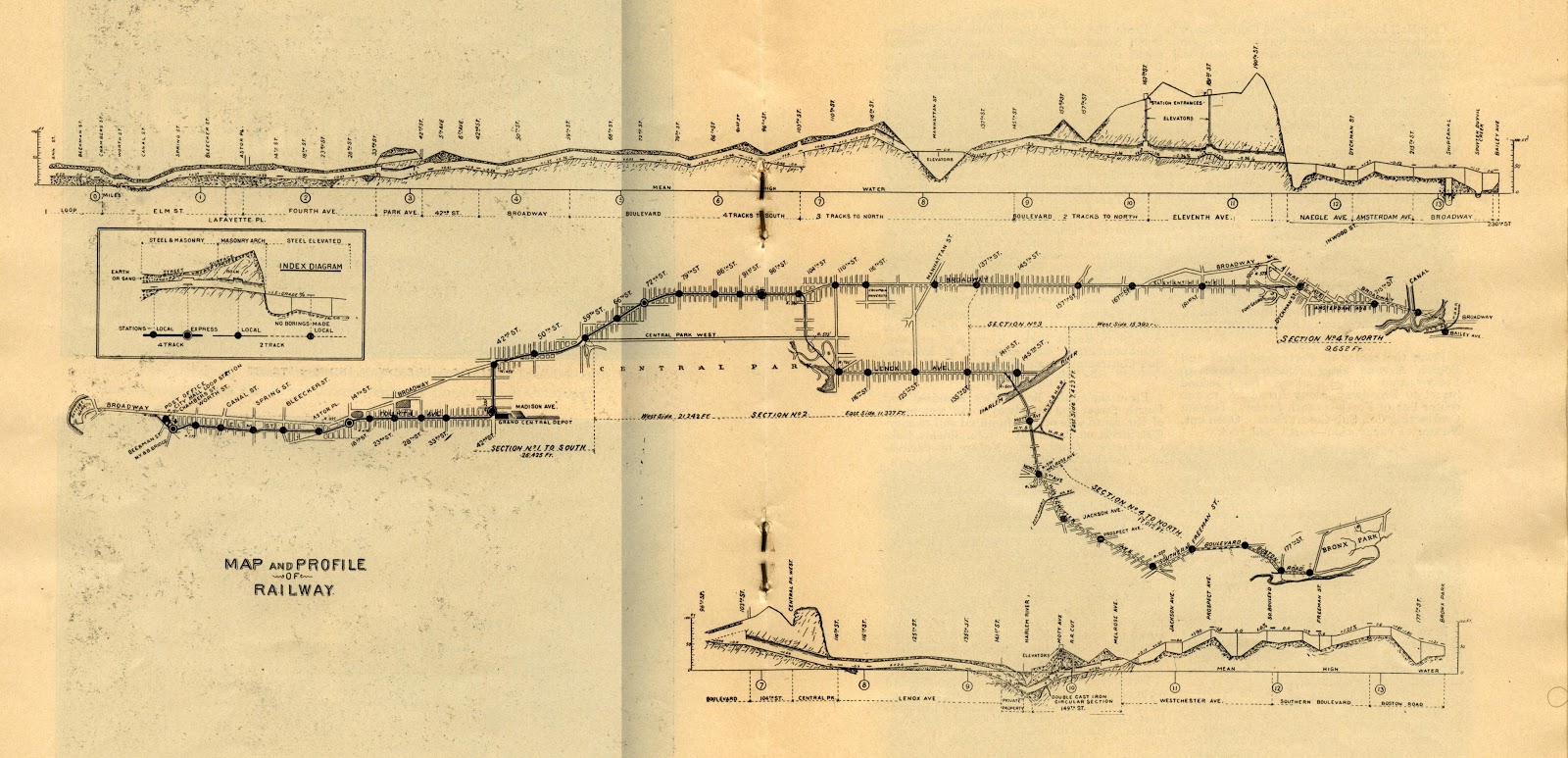 Today, no major city in the world is without
an effective subterranean rail service alleviating congestion and hastening not
only travel time but also the pace of commerce as well.
Today, no major city in the world is without
an effective subterranean rail service alleviating congestion and hastening not
only travel time but also the pace of commerce as well. 


