Piero Fornasetti, Italian painter, sculptor, interior decorator and engraver, birthday 10 November 1913
Telescope, patented by Alvan Clark, 11 November 1851


 When Felix Baumgartner stepped out of his balloon hoisted
capsule and plummeted to back to terra firma last week, the image of the
curvature of the Earth was relegated to a backdrop. However, less than 70 years ago that image
had never been seen by man until a V-2 rocket launched from White Sands, New
Mexico brought back a few grainy black & white photos.
When Felix Baumgartner stepped out of his balloon hoisted
capsule and plummeted to back to terra firma last week, the image of the
curvature of the Earth was relegated to a backdrop. However, less than 70 years ago that image
had never been seen by man until a V-2 rocket launched from White Sands, New
Mexico brought back a few grainy black & white photos.  The knowledge that the Earth is in fact round
is something that we as a species may take for granted today. In Columbus’ time, it was not so certain and
something for which he was willing to risk his life. Baumgartner didn’t come close to the height
of the V-2 rocket but it was high enough not only to appreciate how tiny our
planet is but to also break the sound barrier on the way down. This may all seem a frivolous exercise of a
thrill seeker and a pop-drink's marketing department but innovations in
the suit’s design will benefit future space exploration as man creeps farther
and farther away from our tiny blue marble and into the vast expanses of
space.
The knowledge that the Earth is in fact round
is something that we as a species may take for granted today. In Columbus’ time, it was not so certain and
something for which he was willing to risk his life. Baumgartner didn’t come close to the height
of the V-2 rocket but it was high enough not only to appreciate how tiny our
planet is but to also break the sound barrier on the way down. This may all seem a frivolous exercise of a
thrill seeker and a pop-drink's marketing department but innovations in
the suit’s design will benefit future space exploration as man creeps farther
and farther away from our tiny blue marble and into the vast expanses of
space.  “Art is a lie that makes us realize the truth,” Pablo
Picasso once said and no truer words regarding art could have been stated. Along with Georges Braque, he founded the
Cubist movement introduced to the world with “Les Demoiselles d’Avignon” (1907)
where the female nudes were abstracted and morphed with seemingly grotesque
tribal images. It could be argued this
painting epitomized Picasso’s chauvinistic attitude toward woman as either
“goddesses or doormats”.
“Art is a lie that makes us realize the truth,” Pablo
Picasso once said and no truer words regarding art could have been stated. Along with Georges Braque, he founded the
Cubist movement introduced to the world with “Les Demoiselles d’Avignon” (1907)
where the female nudes were abstracted and morphed with seemingly grotesque
tribal images. It could be argued this
painting epitomized Picasso’s chauvinistic attitude toward woman as either
“goddesses or doormats”. 
 He was a
notorious womanizer but as an artist, no painter before him had such a massive
audience nor was as famous in his own lifetime.
He used this influence to bring the world’s attention to the Spanish
Civil War with the masterpiece “Guernica” (1937) after the German’s callous
bombing of that town. No longer was war
commemorated in glorious battle scenes.
Picasso’s stark black-white-gray image was reminiscent of a newspaper
photo and the collateral damage inflicted on the civilian population was made
aware to the public as the enormous mural-sized piece was toured
world-wide. It was perhaps the world’s
first sociopolitical artistic statement and one that worked.
He was a
notorious womanizer but as an artist, no painter before him had such a massive
audience nor was as famous in his own lifetime.
He used this influence to bring the world’s attention to the Spanish
Civil War with the masterpiece “Guernica” (1937) after the German’s callous
bombing of that town. No longer was war
commemorated in glorious battle scenes.
Picasso’s stark black-white-gray image was reminiscent of a newspaper
photo and the collateral damage inflicted on the civilian population was made
aware to the public as the enormous mural-sized piece was toured
world-wide. It was perhaps the world’s
first sociopolitical artistic statement and one that worked.  The thought of riding in a train in a tunnel underground
once was relegated to the fantastic ideas of Jules Verne. However, in the early years of the 20th
century, the Interborough Rapid Transit Company sought to alleviate
above-ground traffic by expanding their existing elevated train network with
the world’s first subway system. The
firm operated as a privately held entity until 1940 when it was acquired by the
City of New York. To assist passengers
orient themselves in a dark underground world, no two stations were designed
the same. This provided an opportunity
to expand the metropolitan landscape and offered designers new inspiration.
The thought of riding in a train in a tunnel underground
once was relegated to the fantastic ideas of Jules Verne. However, in the early years of the 20th
century, the Interborough Rapid Transit Company sought to alleviate
above-ground traffic by expanding their existing elevated train network with
the world’s first subway system. The
firm operated as a privately held entity until 1940 when it was acquired by the
City of New York. To assist passengers
orient themselves in a dark underground world, no two stations were designed
the same. This provided an opportunity
to expand the metropolitan landscape and offered designers new inspiration. 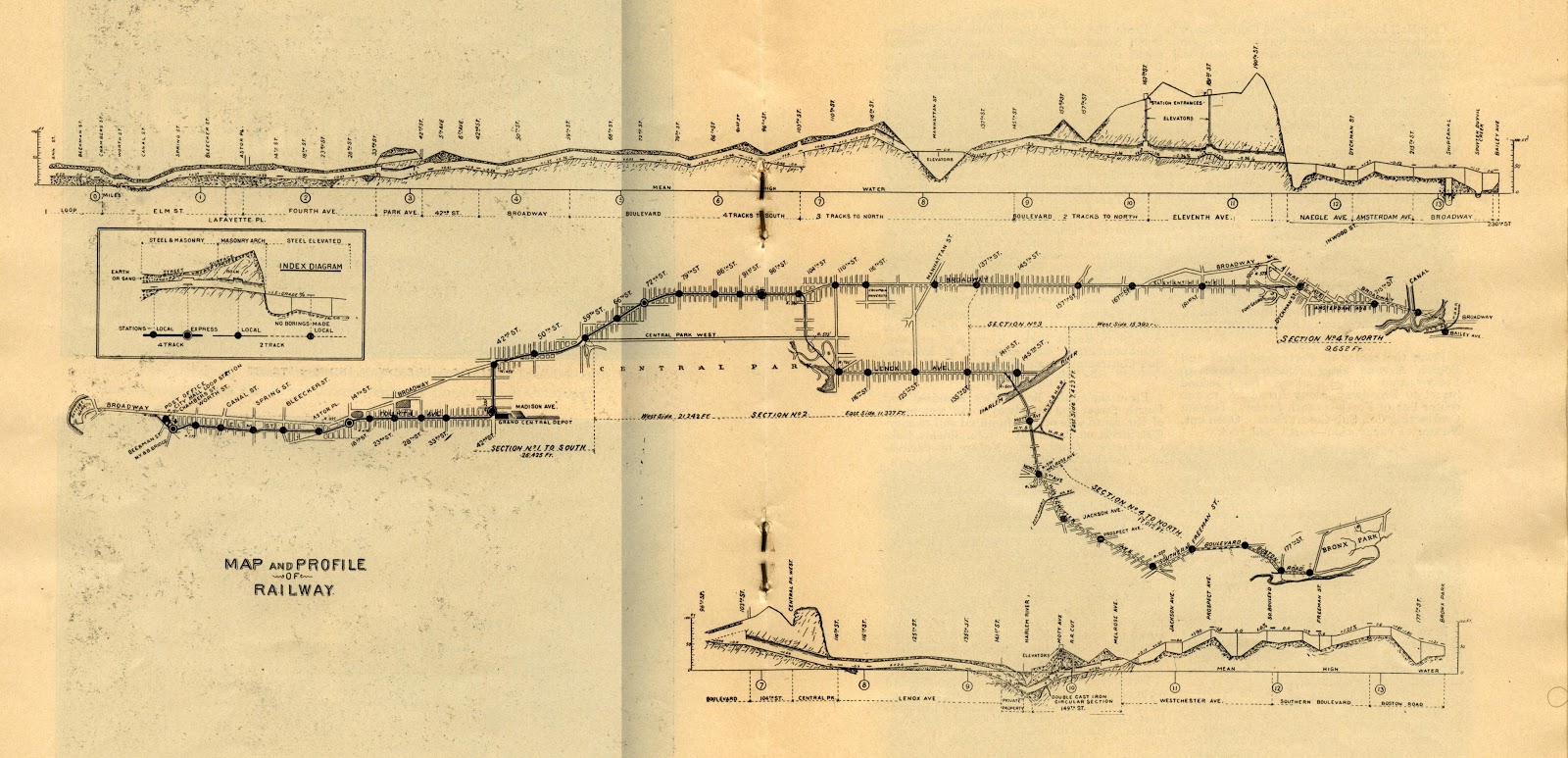 Today, no major city in the world is without
an effective subterranean rail service alleviating congestion and hastening not
only travel time but also the pace of commerce as well.
Today, no major city in the world is without
an effective subterranean rail service alleviating congestion and hastening not
only travel time but also the pace of commerce as well. 